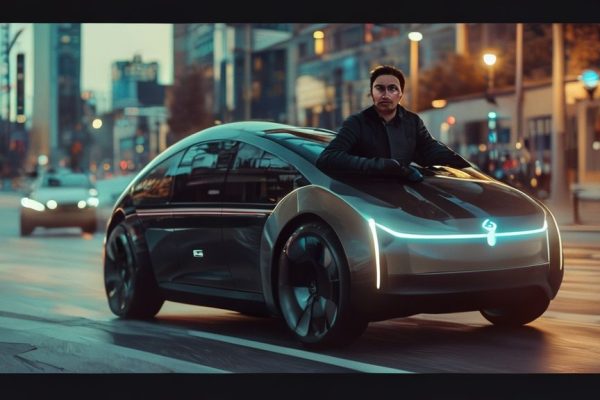
Revolutionizing Transportation: The Rise of Autonomous Robotaxis
Elon Musk’s latest achievement has sent shockwaves throughout the tech and transportation industries. The billionaire entrepreneur has successfully enabled Teslas to operate as unsupervised robotaxis, marking a significant milestone in the development of autonomous vehicles. However, the implications of this breakthrough are far from clear-cut, and experts are divided on its potential impact.
The Technical Feat: How Autonomous Robotaxis Work
Autonomous robotaxis are self-driving vehicles that can transport passengers without human intervention. They utilize advanced computer vision, machine learning algorithms, and sensor data to navigate roads and respond to various situations. The technology has been in development for years, with companies like Tesla, Waymo, and Cruise leading the charge.
Elon Musk’s achievement is particularly notable, as his company has been at the forefront of autonomous vehicle development. Tesla’s Full Self-Driving (FSD) technology has been the subject of much debate, with some experts hailing it as a game-changer and others expressing concerns over its safety and reliability.
The Challenges Ahead: Regulatory Hurdles and Public Acceptance
While the technical feasibility of autonomous robotaxis is no longer a question, there are significant challenges to overcome before they can become a mainstream reality. Regulatory frameworks are still evolving, and lawmakers must adapt to the changing landscape of transportation.
- Licensing and Regulation: Governments must establish clear guidelines for the licensing and deployment of autonomous vehicles, including robotaxis.
- Public Acceptance: Many people are still skeptical about the safety and reliability of autonomous vehicles, which could limit their adoption.
- Liability and Insurance: As robotaxis become more prevalent, there will be questions about liability and insurance in the event of an accident.
Furthermore, the integration of autonomous robotaxis into existing transportation systems will require significant investment in infrastructure, including dedicated lanes and communication networks.
The Future of Transportation: Opportunities and Concerns
The potential impact of autonomous robotaxis on transportation is vast. They could revolutionize the way we move around cities, reducing congestion, emissions, and accidents. However, they also raise concerns about job displacement, data privacy, and the potential for hacking and cyber attacks.
As we move forward, it’s essential to strike a balance between innovation and caution. While autonomous robotaxis hold tremendous promise, we must address the challenges and concerns that come with them.
Elon Musk’s achievement is a testament to human ingenuity and the boundless potential of technology. However, it’s crucial that we approach this development with a nuanced understanding of its implications and a commitment to responsible innovation.
In the words of Elon Musk, ‘We’re not just trying to make a product; we’re trying to change the world.’ As we embark on this journey, it’s essential that we prioritize the safety, security, and well-being of all individuals involved.






Leave a Reply