A New Era of Global Politics Unfolds
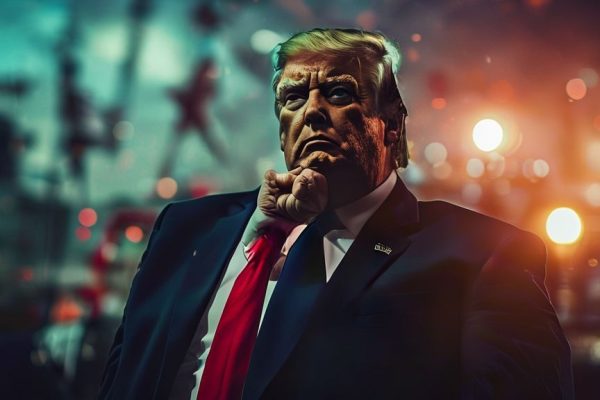
The recent events surrounding Donald Trump’s capture of Venezuelan President Nicolás Maduro have sent shockwaves around the world, leaving many to wonder if we are indeed entering a new era of global politics. The notion that a former reality TV star turned politician can seize control of a sovereign nation has sparked intense debate and speculation. But what lies behind this seismic shift in global power dynamics?
To understand this phenomenon, it is essential to examine the broader context in which it has emerged. The rise of populism and nationalism in various parts of the world has created a perfect storm that has allowed charismatic leaders to rise to power. These individuals often tap into the frustrations and anxieties of their constituents, promising to disrupt the status quo and deliver radical change.
The impact of social media has also played a significant role in this shift. Platforms like Twitter and Facebook have enabled leaders to connect directly with their followers, bypassing traditional media and creating a sense of intimacy and authenticity. This has allowed them to build a cult-like following and shape public opinion with unprecedented ease.
The Role of Economic Factors
Economic instability and inequality have also contributed to the rise of unconventional politics. The 2008 financial crisis created widespread discontent and a sense of disillusionment with traditional institutions. As people became increasingly frustrated with the lack of progress and the seemingly insurmountable wealth gap, they began to seek alternative solutions. This created an environment in which populist leaders could thrive.
The impact of globalization has also been a significant factor. The increasing interconnectedness of the world has created new opportunities for trade, investment, and cultural exchange. However, it has also led to job displacement, cultural homogenization, and a sense of dislocation among many people. This has created a backlash against globalization, with many people seeking to restore national sovereignty and control over their lives.
Implications for the Future
The implications of this shift in global politics are far-reaching and profound. The rise of unconventional leaders has created a new era of uncertainty and unpredictability. Traditional institutions, such as governments and international organizations, are struggling to adapt to this new reality. The rules of the game are being rewritten, and the old certainties are no longer applicable.
As we move forward, it is likely that we will see even more unconventional leaders emerging. The combination of social media, economic instability, and cultural dislocation will continue to create a perfect storm that allows charismatic leaders to rise to power. This will have significant implications for international relations, global governance, and the very fabric of society.
However, it is also essential to recognize that this shift is not inevitable. There are many reasons to be optimistic about the future. The rise of unconventional politics has also created new opportunities for activism, advocacy, and grassroots organizing. As people become increasingly aware of the power of social media and the impact of economic policies, they will begin to demand more from their leaders and institutions.
The key to navigating this new era of global politics is to be aware of the underlying drivers and to be prepared for the unexpected. By understanding the complex interplay of economic, social, and cultural factors, we can begin to build a more resilient and adaptive society that is better equipped to handle the challenges of the 21st century.
- The rise of unconventional leaders has created a new era of uncertainty and unpredictability.
- Traditional institutions are struggling to adapt to this new reality.
- The combination of social media, economic instability, and cultural dislocation will continue to create a perfect storm for charismatic leaders.
- The shift in global politics has significant implications for international relations, global governance, and the very fabric of society.
A New Era of Global Politics: A Call to Action
As we move forward, it is essential to recognize that this shift is not inevitable. We have the power to shape the future and create a more just, equitable, and sustainable world. By being aware of the underlying drivers and being prepared for the unexpected, we can begin to build a more resilient and adaptive society that is better equipped to handle the challenges of the 21st century.
It is time to rethink our assumptions, challenge our biases, and engage in a more nuanced and informed conversation about the future of global politics. By doing so, we can create a brighter future for all, one that is characterized by peace, justice, and prosperity for all.
As the world continues to evolve and change, it is essential to stay informed and up-to-date on the latest developments. Follow us for the latest news, analysis, and commentary on global politics, economics, and culture.





Leave a Reply