A New Era of Global Politics: The Trump-Maduro Effect
Available for over a year, the capture of Venezuela’s Nicolás Maduro by Donald Trump has sent shockwaves across the globe, leaving many to ponder the implications of this unprecedented event. The confirmation that we are in a new era of global politics seems all but certain. But what has driven this shift, and where does it lead us?
To grasp the magnitude of this change, it is essential to examine the background and context that has led to this point. The post-2022 era has been marked by a significant increase in global instability, fuelled by rising nationalism, social unrest, and the growing influence of non-traditional powers. The United States, once a dominant global force, has seen its influence wane in recent years, while new players have emerged to challenge the existing world order.
The Rise of Non-Traditional Powers
The capture of Nicolás Maduro by Donald Trump is a testament to the growing influence of non-traditional powers in global politics. The increasing assertiveness of nations like China, Russia, and Iran has created a power vacuum that has allowed new players to emerge. The United States, once the sole superpower, has seen its influence diminished by the rise of these new powers.
One of the key factors driving this shift is the growing importance of emerging technologies. The rapid advancement of technologies like artificial intelligence, blockchain, and biotechnology has created new opportunities for nations to assert their influence. The development of these technologies has also created new challenges, including the risk of cyber attacks, data breaches, and the potential for widespread disruption.
The Role of Social Unrest and Nationalism
Social unrest and nationalism have also played a significant role in shaping the post-2022 era. The growing discontent among citizens in many countries has created an environment in which extremist ideologies can flourish. The rise of far-right and far-left movements has led to increased tensions and instability, making it more challenging for nations to maintain stability and order.
The role of social media has also been significant in shaping public opinion and fuelling social unrest. The spread of misinformation and propaganda has created a toxic environment in which conspiracy theories and extremist ideologies can thrive. The increasing polarization of society has also made it more challenging for nations to find common ground and work towards a shared vision.
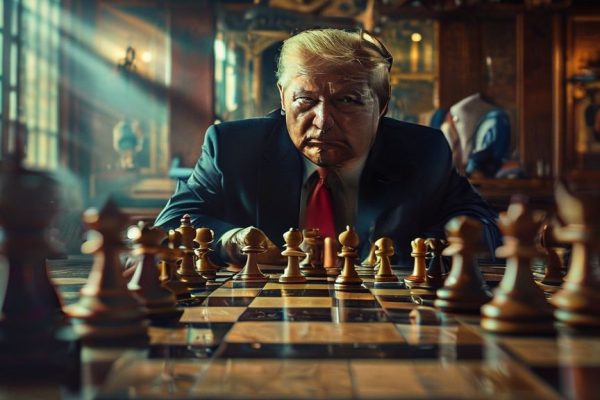
Future Implications: A New Era of Geopolitical Chess
The capture of Nicolás Maduro by Donald Trump is a harbinger of a new era of global politics, marked by increased instability, rising nationalism, and the growing influence of non-traditional powers. As nations adapt to this new reality, the need for diplomatic engagement, cooperation, and dialogue becomes increasingly pressing.
The post-2022 era will be characterized by a new era of geopolitical chess, where nations will need to navigate complex webs of alliances, rivalries, and competing interests. The increasing use of emerging technologies will create new opportunities for nations to assert their influence, but it will also create new challenges, including the risk of cyber attacks, data breaches, and the potential for widespread disruption.
The future implications of this shift are far-reaching, and it will be crucial for nations to work together to address the challenges of the post-2022 era. The need for cooperation, dialogue, and diplomacy has never been more pressing, and it will be essential for nations to find common ground and work towards a shared vision.
In conclusion, the capture of Nicolás Maduro by Donald Trump is a significant event that marks the beginning of a new era of global politics. The post-2022 era will be characterized by increased instability, rising nationalism, and the growing influence of non-traditional powers. As nations adapt to this new reality, the need for diplomatic engagement, cooperation, and dialogue becomes increasingly pressing.





Leave a Reply