The Rise of New World Order: Understanding the Global Shift in Politics
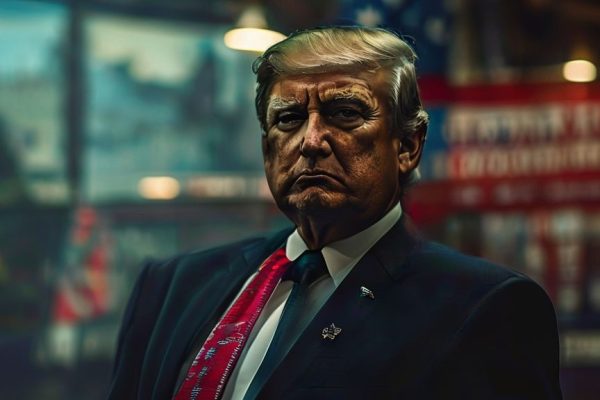
Available for over a year, the capture of Venezuela’s Nicolás Maduro by Donald Trump feels like confirmation that we are in a new era of global politics. This dramatic shift has sent shockwaves across the globe, leaving many wondering what has caused this change and where it might lead.
A New Era of Global Politics: Understanding the Shift
The shift in global politics is multifaceted and has been building for several years. The rise of authoritarianism, the decline of traditional power structures, and the increasing role of non-state actors have all contributed to a new world order. The capture of Nicolás Maduro by Donald Trump is seen as a symbol of this shift, where the traditional boundaries of power and sovereignty are being challenged.
The rise of authoritarianism has been a significant trend in global politics in recent years. Leaders such as Vladimir Putin, Xi Jinping, and Recep Tayyip Erdogan have consolidated power and suppressed dissent, creating a new breed of authoritarian leaders who wield significant influence.
The Decline of Traditional Power Structures
The decline of traditional power structures has also played a significant role in the shift in global politics. The rise of non-state actors, such as corporations and NGOs, has challenged the traditional dominance of nation-states. These actors have significant economic and cultural influence, and are increasingly shaping global policies and agendas.
The decline of traditional power structures has also led to a shift in the way power is exercised. The rise of social media and other digital technologies has created new channels of communication and mobilization, allowing for the rapid dissemination of information and the mobilization of public opinion.
Where Does This Shift Lead?
The shift in global politics has significant implications for the future. It is likely to lead to a more multipolar world, where power is distributed among multiple centers rather than being concentrated in a single location. This could lead to a more fragmented and volatile world, where the rules of the game are constantly being rewritten.
The shift also raises questions about the role of the United States in global politics. The capture of Nicolás Maduro by Donald Trump has been seen as a symbol of American assertiveness, but it also raises questions about the limits of American power and influence.
Ultimately, the shift in global politics is a complex and multifaceted phenomenon that is still unfolding. It is likely to have significant implications for the future, and will require a nuanced and adaptive response from policymakers and civil society leaders.
Key Points to Consider:
- The capture of Nicolás Maduro by Donald Trump feels like confirmation that we are in a new era of global politics.
- The shift in global politics is multifaceted and has been building for several years.
- The rise of authoritarianism, the decline of traditional power structures, and the increasing role of non-state actors have all contributed to a new world order.
- The shift has significant implications for the future, including a more multipolar world and a more fragmented and volatile world.
- The shift also raises questions about the role of the United States in global politics.
Conclusion:
The shift in global politics is a complex and multifaceted phenomenon that is still unfolding. It is likely to have significant implications for the future, and will require a nuanced and adaptive response from policymakers and civil society leaders.
The capture of Nicolás Maduro by Donald Trump is a symbol of this shift, and a reminder that the traditional boundaries of power and sovereignty are being challenged. As we move forward, it is essential that we understand the causes and implications of this shift, and that we work to build a more just and equitable world.





Leave a Reply