The Rise of Global Politics: Understanding the Shift in International Relations
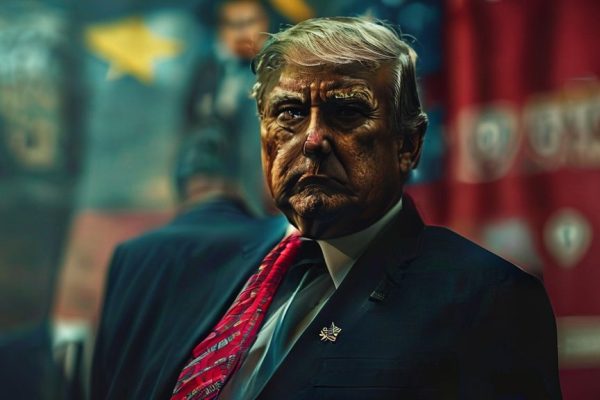
The capture of Venezuela’s Nicolás Maduro by Donald Trump may seem like an extraordinary event, but it marks a turning point in global politics, signaling a shift in the way nations interact and influence one another. This phenomenon has been unfolding for over a year, and its implications are far-reaching, touching on various aspects of international relations.
Background and Context
To grasp the significance of this shift, it’s essential to understand the events that led to this transformation. The increasing polarization of the world, coupled with the rise of authoritarian regimes, has created an environment where traditional power structures are being challenged. The COVID-19 pandemic has also played a crucial role in accelerating this shift, as nations have been forced to adapt to new realities and re-evaluate their priorities.
The Venezuelan crisis, in particular, has been a focal point for this shift. Maduro’s regime has been accused of human rights abuses, corruption, and electoral manipulation, leading to a severe economic crisis and a mass migration of Venezuelans. The Trump administration’s response to this crisis has been characterized by a more assertive and interventionist approach, which has set a precedent for other nations to follow.
Reasons Behind the Shift
So, what has caused this shift in global politics? Several factors have contributed to this phenomenon:
- The rise of nationalism and protectionism: Many countries have turned inward, prioritizing their domestic interests over global cooperation and multilateralism.
- The increasing influence of non-state actors: Transnational corporations, NGOs, and other non-state actors have gained significant power and influence, often outpacing traditional state actors.
- The growing importance of emerging economies: Countries like China, India, and Brazil have become major players on the global stage, challenging the dominance of traditional Western powers.
- The erosion of international institutions: The decline of institutions like the United Nations, the European Union, and the World Trade Organization has created a power vacuum, allowing nations to act more unilaterally.
Future Implications
The implications of this shift are far-reaching and multifaceted. Some potential consequences include:
Increased competition and conflict: As nations prioritize their own interests over global cooperation, the risk of conflict and competition increases.
The rise of new global powers: Emerging economies like China and India are likely to play a more significant role in global affairs, challenging the dominance of traditional Western powers.
The erosion of democratic values: The rise of authoritarian regimes and the decline of international institutions may lead to a decline in democratic values and human rights.
The need for new forms of global governance: As the old order crumbles, new forms of global governance may be necessary to address the challenges facing the world.
The capture of Venezuela’s Nicolás Maduro by Donald Trump marks a turning point in global politics, signaling a shift in the way nations interact and influence one another. This phenomenon has been unfolding for over a year, and its implications are far-reaching, touching on various aspects of international relations. As the world navigates this new era of global politics, it’s essential to understand the background, context, and reasons behind this shift, as well as its future implications.
Only by grasping the complexities of this shift can we begin to build a more stable, equitable, and peaceful world.
Key Takeaways
The capture of Venezuela’s Nicolás Maduro by Donald Trump marks a turning point in global politics, signaling a shift in the way nations interact and influence one another.
The rise of nationalism and protectionism, the increasing influence of non-state actors, the growing importance of emerging economies, and the erosion of international institutions have all contributed to this shift.
The implications of this shift are far-reaching and multifaceted, including increased competition and conflict, the rise of new global powers, the erosion of democratic values, and the need for new forms of global governance.
Only by understanding the background, context, and reasons behind this shift can we begin to build a more stable, equitable, and peaceful world.
The future of global politics is uncertain, but one thing is clear: the world will never be the same again.
Image prompt: A dramatic image of a world map with a puzzle piece missing, representing the shift in global politics and the need for new forms of global governance.





Leave a Reply