A New Era of Global Politics?
For over a year, the world has witnessed a significant shift in global politics, with the capture of Venezuela’s Nicolás Maduro by former US President Donald Trump’s administration. This development has sparked a flurry of questions about the underlying causes of this shift and its potential implications for the future of international relations. In this article, we will delve into the background of the Venezuela crisis, explore the reasons behind this new era of global politics, and examine the far-reaching consequences of this development.
The Venezuela Crisis: A Background
The crisis in Venezuela began in 2013, when the country’s President, Nicolás Maduro, came to power. Maduro’s administration has been marked by authoritarianism, corruption, and economic mismanagement, leading to widespread poverty, hunger, and migration. The country’s economy has been in shambles, with inflation rates reaching as high as 1 million percent in 2022. The humanitarian crisis has been exacerbated by the Maduro regime’s brutal suppression of dissent and opposition.
In response to the crisis, the international community has imposed economic sanctions on Venezuela, aimed at compelling the Maduro regime to reform its policies. However, the sanctions have had a devastating impact on the Venezuelan people, who are struggling to access basic necessities like food and medicine. The situation has become increasingly dire, with estimates suggesting that over 4 million Venezuelans have fled the country in search of better living conditions.
The Rise of a New Global Order
The capture of Nicolás Maduro by the Trump administration marks a significant turning point in the Venezuela crisis. It signals a new era of global politics, in which powerful nations like the United States are willing to take bold action to shape the course of international events. This development has far-reaching implications for the future of global relations, as it sets a precedent for other nations to follow.
The reasons behind this shift are complex and multifaceted. One key factor is the growing recognition of the threat posed by authoritarian regimes to global stability and security. The Maduro regime’s human rights abuses, corruption, and economic mismanagement have created a humanitarian crisis that threatens to spill over into neighboring countries. In response, the international community has come together to impose sanctions and pressure the Maduro regime to reform its policies.
Another key factor is the increasing influence of emerging powers like China and Russia, which are challenging the traditional dominance of Western nations like the United States. The Venezuela crisis has highlighted the complex web of alliances and rivalries that shape global politics. As the balance of power shifts, nations are forced to adapt and respond to new realities.
The Far-Reaching Consequences
The capture of Nicolás Maduro by the Trump administration has significant implications for the future of global politics. It sets a precedent for other nations to take bold action to shape the course of international events. This development could lead to a more assertive approach to foreign policy, as nations are emboldened to take action to protect their interests and values.
The consequences of this development will be far-reaching, impacting global relations, trade, and security. The international community must navigate a complex web of alliances and rivalries, as nations respond to new realities and challenges. The future of global politics is uncertain, but one thing is clear: the capture of Nicolás Maduro marks a significant turning point in the history of international relations.
In conclusion, the capture of Nicolás Maduro by the Trump administration marks a new era of global politics. It signals a shift in the balance of power, as nations adapt to new realities and challenges. The reasons behind this shift are complex and multifaceted, driven by the growing recognition of the threat posed by authoritarian regimes and the increasing influence of emerging powers. As the world navigates this new era, the international community must be prepared to adapt and respond to changing circumstances.
Key Points
- The capture of Nicolás Maduro by the Trump administration marks a new era of global politics.
- The reasons behind this shift are complex and multifaceted, driven by the growing recognition of the threat posed by authoritarian regimes and the increasing influence of emerging powers.
- The consequences of this development will be far-reaching, impacting global relations, trade, and security.
- The international community must navigate a complex web of alliances and rivalries, as nations respond to new realities and challenges.
Image Prompt
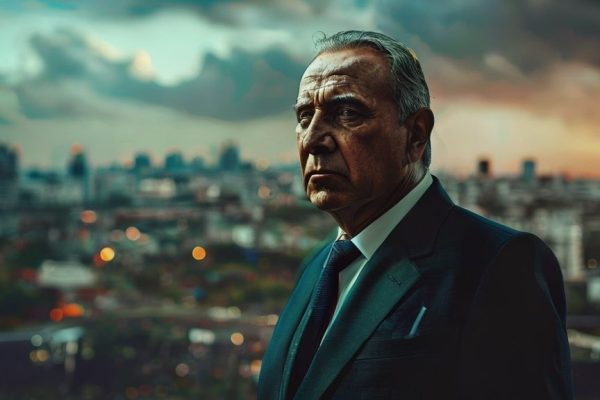
A depiction of the Venezuelan presidential palace, Miraflores, with a bold, red “X” marked through it, symbolizing the capture of Nicolás Maduro by the Trump administration. In the background, a cityscape of Caracas, with a mix of modern and dilapidated buildings, representing the contrast between the country’s economic prosperity and its current humanitarian crisis.





Leave a Reply