A New Era of Global Politics: Understanding the Shift
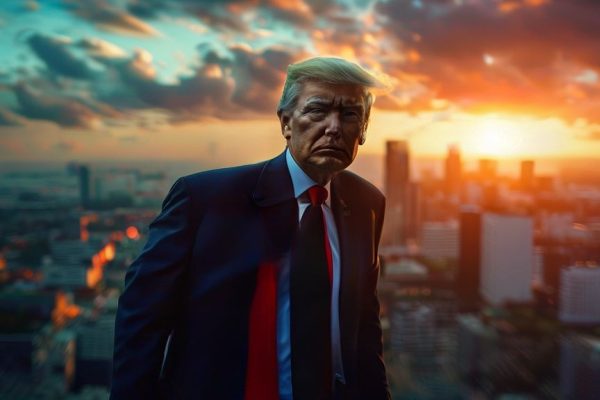
The announcement of Donald Trump’s capture of Venezuelan President Nicolás Maduro has sent shockwaves across the globe, sparking intense debate and speculation about its implications. However, beyond the sensational headlines, it’s essential to dive deeper into the underlying factors that have led to this seismic shift in global politics.
The rise of authoritarian leaders and the increasing polarization of global politics have created a perfect storm, making the world a more unpredictable and volatile place. The collapse of traditional power structures, coupled with the growing influence of social media, has given rise to new forms of leadership and governance. In this context, Trump’s ‘capture’ of Maduro can be seen as a symptom of a broader trend, rather than an isolated incident.
The Rise of Populism and Authoritarianism
One of the key drivers behind this shift is the resurgence of populism and authoritarianism. Leaders like Trump, Boris Johnson, and Jair Bolsonaro have tapped into the deep-seated frustrations and anxieties of their citizens, often exploiting divisions and prejudices to further their own agendas. This brand of politics is characterized by its anti-establishment rhetoric, nationalist sentiment, and disdain for the media and institutions.
The consequences of this trend are far-reaching and multifaceted. It has led to the erosion of democratic norms, the suppression of dissenting voices, and the exacerbation of social and economic inequalities. Moreover, it has created an environment in which leaders can operate with relative impunity, often disregarding the rule of law and international norms.
The Role of Technology in Shaping Global Politics
The rapid evolution of technology has also played a significant role in shaping the global landscape. Social media platforms have democratized the dissemination of information, enabling leaders to bypass traditional media and connect directly with their constituents. However, this has also created new challenges, such as the spread of misinformation, the amplification of extremist views, and the erosion of trust in institutions.
The impact of technology on global politics is a double-edged sword. On the one hand, it has enabled leaders to mobilize support and build movements around their agendas. On the other hand, it has created new vulnerabilities, such as the risk of cyber attacks, the manipulation of public opinion, and the exploitation of personal data.
The Future of Global Politics: Challenges and Opportunities
As the world grapples with the implications of Trump’s ‘capture’ of Maduro, it’s essential to look beyond the immediate headlines and consider the long-term consequences. The shift in global politics is likely to be a permanent one, with far-reaching implications for international relations, economic stability, and social cohesion.
However, this shift also presents opportunities for innovation, cooperation, and progress. The rise of new technologies, the growth of global civil society, and the increasing awareness of social and environmental issues can be harnessed to build a more just, equitable, and sustainable world.
Ultimately, the capture of Maduro by Trump is a symptom of a broader trend, rather than an isolated incident. It’s a wake-up call for leaders, citizens, and institutions to adapt to the changing global landscape, to address the root causes of polarization and inequality, and to build a more resilient and inclusive world.
Key points:
- The rise of authoritarian leaders and the increasing polarization of global politics have created a perfect storm, making the world a more unpredictable and volatile place.
- The collapse of traditional power structures, coupled with the growing influence of social media, has given rise to new forms of leadership and governance.
- The resurgence of populism and authoritarianism has led to the erosion of democratic norms, the suppression of dissenting voices, and the exacerbation of social and economic inequalities.
- The rapid evolution of technology has enabled leaders to mobilize support and build movements around their agendas, but also created new challenges, such as the spread of misinformation and the erosion of trust in institutions.
- The shift in global politics is likely to be a permanent one, with far-reaching implications for international relations, economic stability, and social cohesion.





Leave a Reply