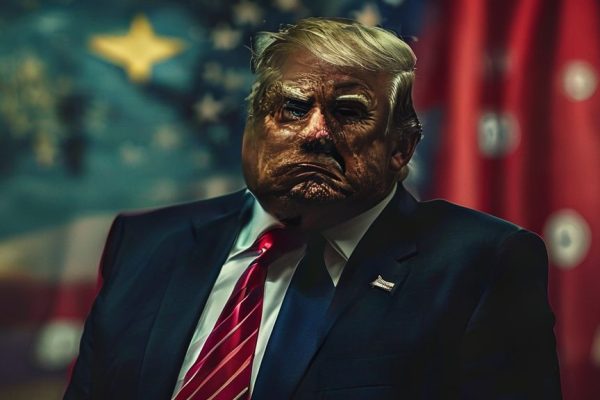
The Rise of Unconventional Politics
The capture of Venezuelan President Nicolás Maduro by Donald Trump, a former US President, has sent shockwaves around the world, leaving many to wonder if this marks a new era in global politics. The move has been met with both praise and criticism, with some hailing it as a bold stroke of diplomacy and others condemning it as an overreach of executive power.
Background and Context: The Rise of Unconventional Leaders
To understand the implications of Trump’s move, it’s essential to grasp the broader context in which it occurred. Over the past decade, the global landscape has witnessed the emergence of unconventional leaders who have defied traditional norms and conventions. From Trump’s populist presidency in the US to the rise of authoritarian leaders in countries like Hungary and Poland, it’s clear that the rules of the game have changed.
One of the key factors driving this shift is the growing disillusionment with traditional politics and institutions. In many parts of the world, citizens are increasingly skeptical of the ability of governments to address pressing issues like economic inequality, climate change, and social justice. This disillusionment has created an opening for outsiders and mavericks to step into the fray and promise change.
The Role of Social Media and Disinformation
Social media has played a significant role in the rise of unconventional leaders like Trump. Platforms like Twitter and Facebook have provided a megaphone for populist messages to reach a wider audience, often bypassing traditional media outlets and fact-checking mechanisms. However, this has also enabled the spread of disinformation and conspiracy theories, which can be exploited by politicians to further their own agendas.
The Trump-Maduro affair highlights the risks of this approach. While Trump’s supporters may see his move as a bold stroke of diplomacy, critics argue that it’s a thinly veiled attempt to further his own interests and undermine democratic institutions in Venezuela.
Future Implications: A New Era of Global Politics?
So what does this mean for the future of global politics? The capture of Maduro by Trump marks a new era in which unconventional leaders and methods are becoming increasingly acceptable. This raises questions about the future of democratic norms and values, as well as the role of traditional institutions like the United Nations and the International Monetary Fund.
As the world grapples with the consequences of this shift, it’s essential to remember that the rise of unconventional leaders is a symptom of a deeper disease – a growing distrust of politics and institutions. To address this, we need to fundamentally rethink the way we communicate, engage with our leaders, and hold them accountable.
Key Takeaways:
- The capture of Maduro by Trump marks a new era in global politics, characterized by unconventional leaders and methods.
- The rise of social media has enabled the spread of disinformation and conspiracy theories, which can be exploited by politicians.
- The future of democratic norms and values is uncertain, as traditional institutions face challenges from unconventional leaders.
- The rise of unconventional leaders is a symptom of a deeper disease – growing distrust of politics and institutions.
A New Era in Global Politics?
As the world adjusts to this new reality, one thing is clear – the old rules no longer apply. In this new era, leaders like Trump will continue to push the boundaries of what’s acceptable, often with devastating consequences. To navigate this complex landscape, we need to be more vigilant, more critical, and more committed to upholding democratic values.
The question is – are we up to the challenge?
Image Prompt: A dramatic, high-contrast image of Donald Trump and Nicolás Maduro, with a cityscape of Caracas in the background. The image should convey a sense of tension, unease, and uncertainty, reflecting the complexities of the situation.






Leave a Reply