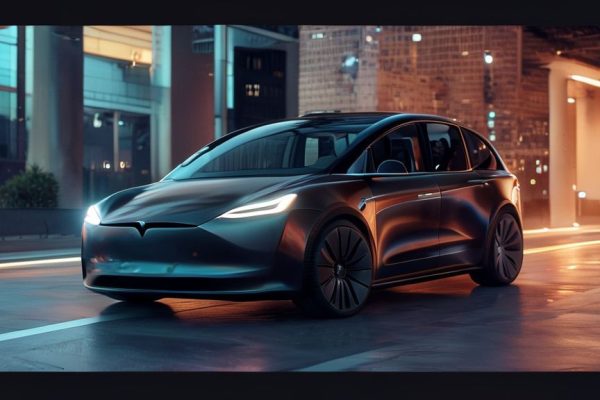
Tesla Takes a Giant Leap in Autonomous Technology
Tesla’s relentless pursuit of innovation has led to another groundbreaking milestone, as the company’s CEO, Elon Musk, celebrated the achievement of a fully unsupervised robotaxi. This significant development marks a crucial step towards making Tesla’s vehicles a reality for the masses. However, questions remain regarding the feasibility of widespread adoption, particularly in terms of infrastructure, regulatory hurdles, and public trust.
The Road to Autonomous Revolution
The journey to autonomous vehicles has been a long and arduous one, with numerous setbacks and challenges along the way. Tesla has been at the forefront of this revolution, pouring significant resources into the development of its advanced driver-assistance systems (ADAS) and fully autonomous capabilities. The company’s dedication to this vision has driven its relentless innovation, pushing the boundaries of what is possible.
The introduction of the robotaxi marks a critical juncture in this journey, as it signifies Tesla’s ability to operate its vehicles without human intervention. This capability will not only enhance the driving experience but also pave the way for various applications, such as ridesharing, logistics, and public transportation.
Challenges Ahead: Infrastructure, Regulations, and Public Trust
While the achievement of a fully unsupervised robotaxi is a significant milestone, it is essential to acknowledge the hurdles that lie ahead. One of the primary challenges is the development of a robust and comprehensive infrastructure to support the widespread adoption of autonomous vehicles. This includes the creation of dedicated lanes, communication networks, and emergency response systems, among others.
Regulatory frameworks also pose a significant challenge, as governments and regulatory bodies struggle to keep pace with the rapid evolution of autonomous technology. Establishing clear guidelines and standards for the deployment of robotaxis will be crucial in ensuring public safety and trust.
Public trust is another crucial factor that will influence the adoption of robotaxis. As with any new technology, there will be concerns and skepticism regarding the reliability and safety of autonomous vehicles. Tesla will need to address these concerns through education, transparency, and demonstration of its technology’s capabilities.
The Future of Transportation: A New Era of Mobility
The implications of Tesla’s robotaxi are far-reaching, with the potential to revolutionize the transportation landscape. By providing a safe, efficient, and environmentally friendly mode of transportation, robotaxis could significantly reduce the number of accidents, emissions, and traffic congestion.
The company’s vision of a future with autonomous vehicles is not limited to personal transportation. Tesla aims to leverage its technology to create a sustainable and efficient transportation network, capable of handling the demands of the 21st century.
In conclusion, Tesla’s achievement of a fully unsupervised robotaxi marks a significant milestone in the development of autonomous technology. While challenges lie ahead, the potential benefits of this innovation are substantial, and Tesla is well-positioned to lead the charge towards a new era of mobility.






Leave a Reply