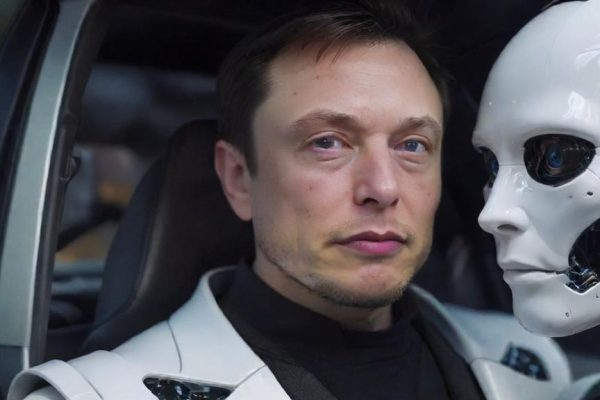
Musk’s Unsolved Puzzle: The Future of Autonomous Robotaxis
The world has been abuzz with excitement following the recent news that Elon Musk’s Tesla has achieved the milestone of having its robotaxis operate without human supervision. While this breakthrough is a significant step towards the development of fully autonomous vehicles, many questions still linger about the practical implications and feasibility of this technology.
The Road to Autonomy: A Complex Journey
Tesla’s journey to achieving autonomous driving capabilities has been a long and arduous one, spanning over a decade. The company has invested heavily in research and development, hiring top talent from around the world to work on perfecting its Autopilot system. Despite the significant progress made, the road to full autonomy remains a complex and challenging one, requiring the integration of multiple technologies, including sensor data, machine learning algorithms, and sophisticated software.
However, even with the recent milestone, it’s essential to note that the Autopilot system is still in its beta phase and prone to errors. While Musk has touted the system’s capabilities, many experts remain skeptical about its reliability and safety. The lack of transparency surrounding the system’s decision-making processes and the absence of clear guidelines for its use only add to the concerns.
The Uncertainty of Robotaxis Adoption
The prospect of unsupervised robotaxis is both captivating and concerning. While the idea of hailing a self-driving taxi and enjoying a seamless, stress-free ride is alluring, the reality is far more complex. The infrastructure required to support widespread adoption of robotaxis is still in its infancy, with significant investments needed in areas such as communication networks, mapping technologies, and charging infrastructure.
Moreover, the public’s acceptance of autonomous vehicles is still a significant hurdle. Many people are hesitant to trust their safety to machines, and the lack of transparency surrounding the decision-making processes of these systems only exacerbates the issue. Regulatory frameworks will need to be developed and implemented to ensure the safe deployment of robotaxis, but the process is likely to be slow and contentious.
Furthermore, even if the technical and regulatory challenges are overcome, the question remains: who will be able to ride in these unsupervised robotaxis? The answer, unfortunately, is unclear. The immediate future of robotaxis looks bleak, with Musk himself admitting that it may be years before the technology is ready for widespread adoption.
The Future of Mobility: A Revolution in the Making
Despite the challenges and uncertainties surrounding robotaxis, the potential benefits of autonomous transportation are undeniable. The technology has the potential to revolutionize the way we travel, reducing congestion, emissions, and accidents. It could also open up new opportunities for people with disabilities, the elderly, and those living in remote areas.
As the world hurtles towards a future where autonomous vehicles are the norm, it’s essential to stay informed about the developments and challenges surrounding this technology. By understanding the complexities and implications of robotaxis, we can work towards creating a safer, more efficient, and more sustainable transportation system for all.
Ultimately, Musk’s unsolved puzzle is a reminder that the future of transportation is complex and multifaceted. While the milestones achieved by Tesla are significant, they are only the beginning of a long and winding road towards a fully autonomous transportation system.
As the world waits with bated breath for the next breakthrough, it’s essential to remain vigilant and informed about the developments surrounding robotaxis. The future of mobility is a revolution in the making, and it’s up to us to shape its course.
- The recent milestone achieved by Tesla’s robotaxis is a significant step towards the development of fully autonomous vehicles.
- However, many questions still linger about the practical implications and feasibility of this technology.
- The infrastructure required to support widespread adoption of robotaxis is still in its infancy.
- Regulatory frameworks will need to be developed and implemented to ensure the safe deployment of robotaxis.
- The public’s acceptance of autonomous vehicles is still a significant hurdle.






Leave a Reply